




FAQs
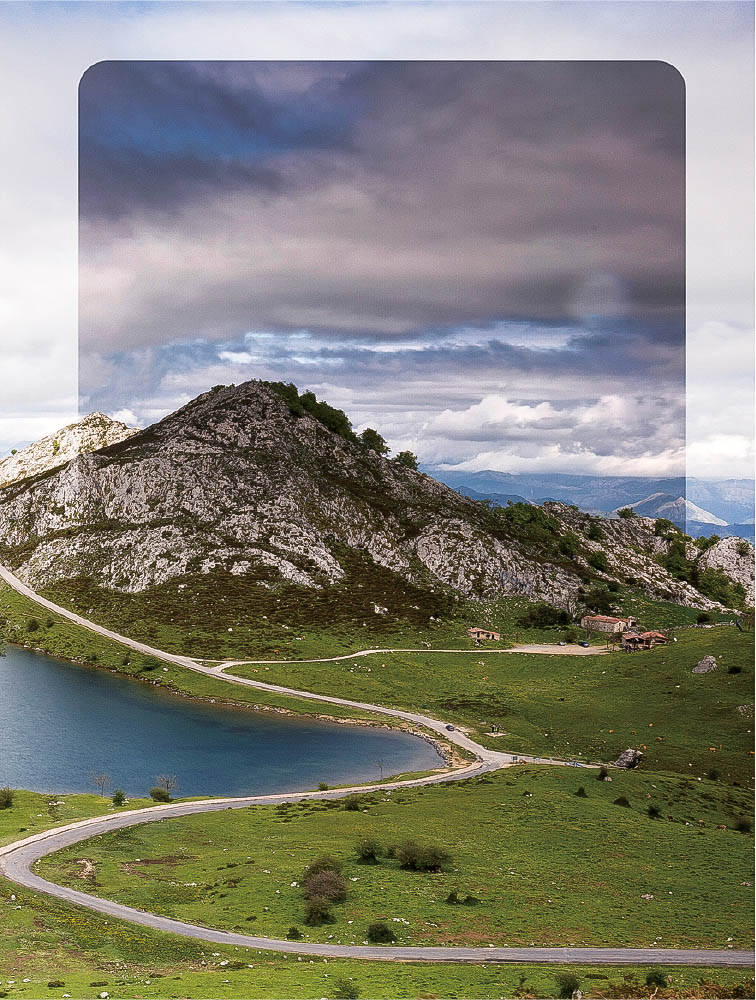
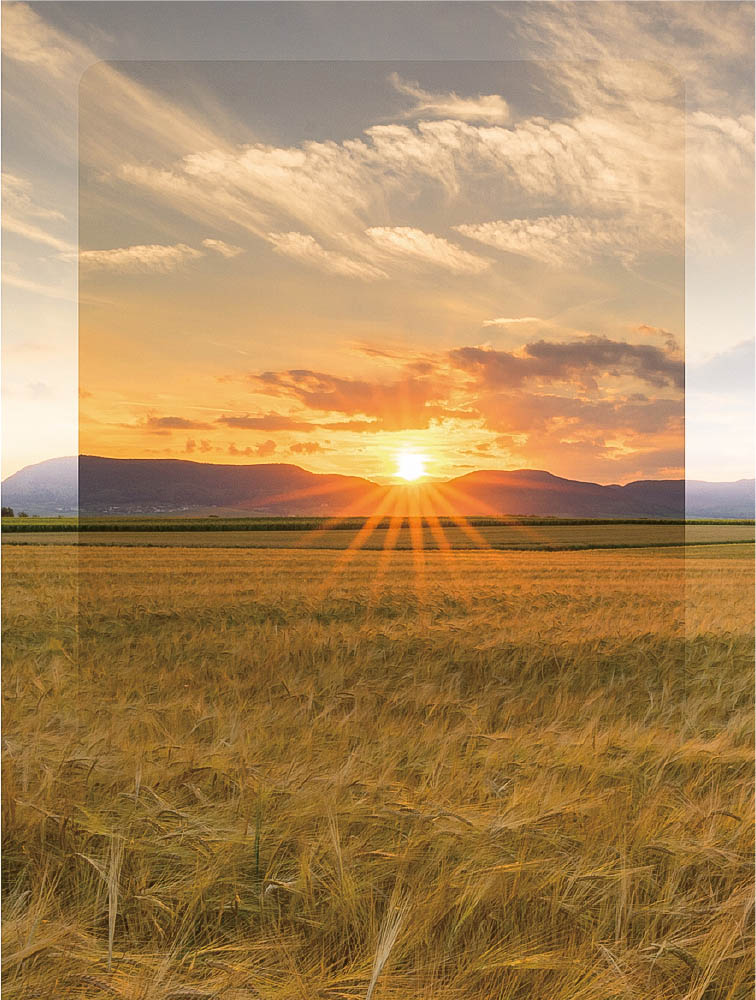
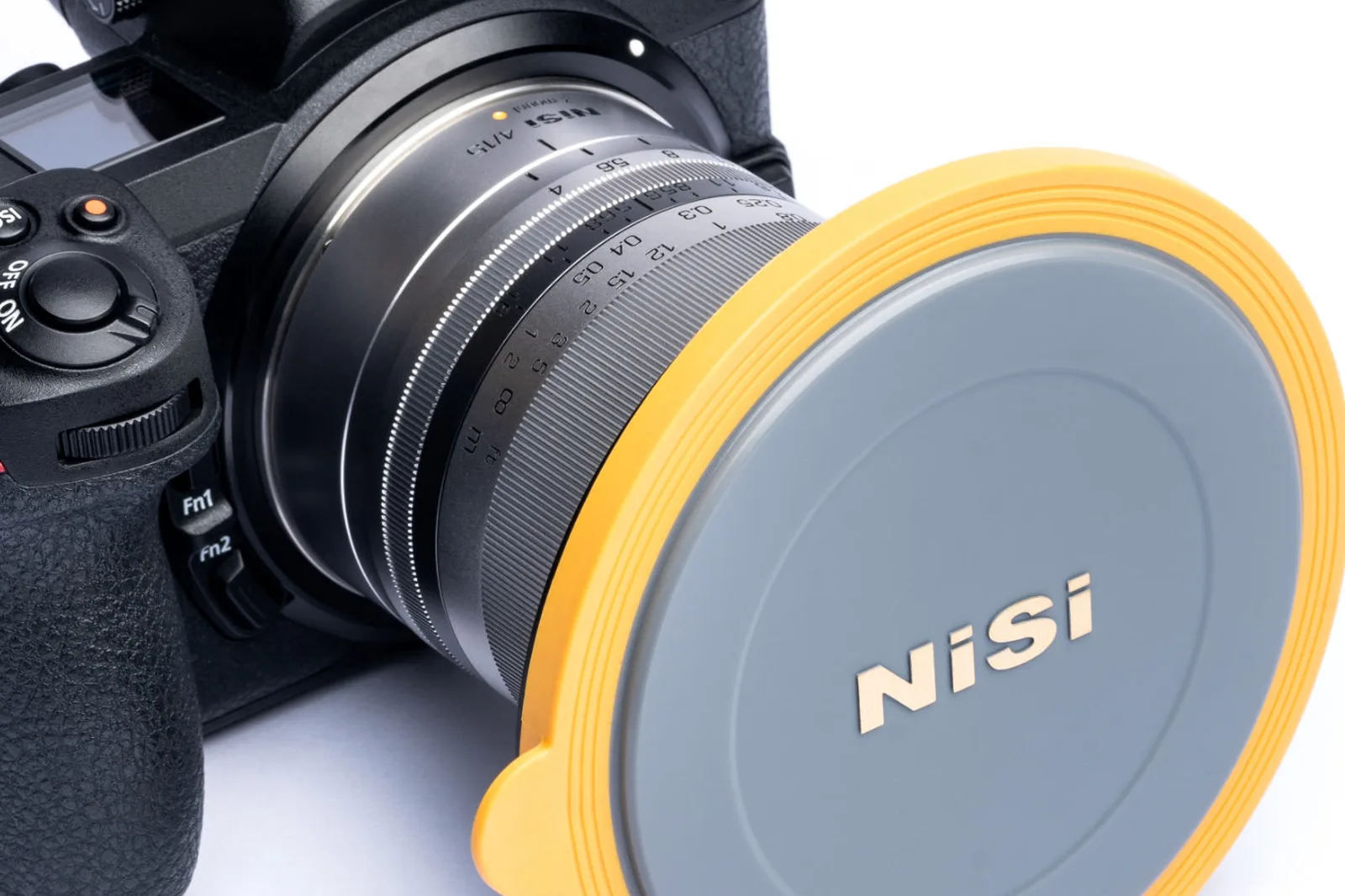
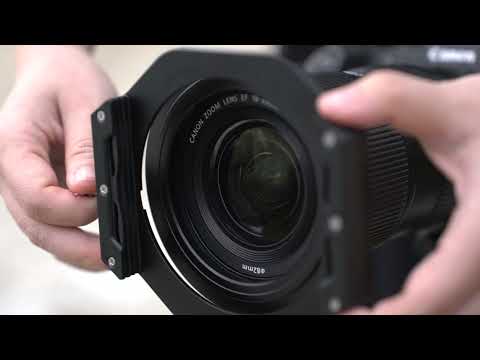
Why use a 100mm square filter system?Being simple to use and versatile, a square 100mm filter kit is an excellent choice for a multitude of applications. By using a filter holder and adaptor, square filters can be used over multiple lenses, making them a great long-term investment for use with many different lenses. The NiSi 100mm filter holder kit lets you stack multiple filters with vignetting, and gives you the option to move filters in order to match your composition.
What lenses are compatible with a NiSi 100mm filter holder kit?100mm filter holders support a huge range of lenses with a standard filter thread. You'll find our 100mm holder can support filter threads from 49mm to 95mm with an adaptor.
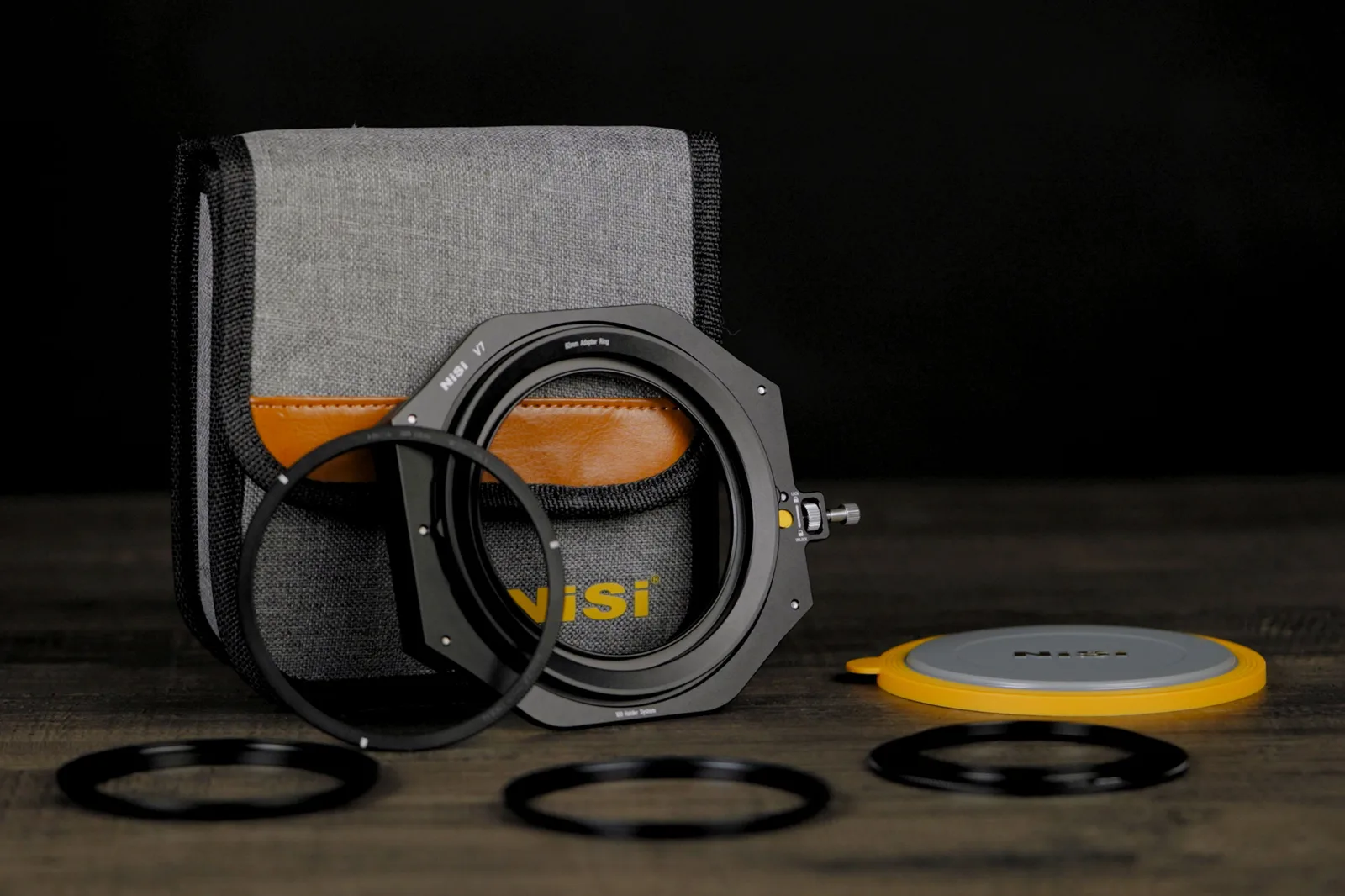
Does NiSi offer 100mm filter kits?NiSi offers a range of 100mm filter kits to suit every level of landscape photographer. Each kit contains a NiSi 100mm filter holder, adaptors, ND filters, GND filters, and a case.
Why should I buy a NiSi 100mm square filter kit?Thanks to our practical and comprehensive collection of 100mm filters and accessories, our NiSi 100mm square filter kits are a superb option for professionals and anyone new to landscape photography. Our all-inclusive kits are just one of the reasons customers trust us to fulfill all their photography needs. Not sure which one of our kits is best suited to your needs? No problem. Get in touch with our team for all the information you need about picking the perfect 100mm square filter system.
Showing 1–35 of 81 results
-

NiSi 100mm V7 Starter Kit
$499.00 Add to cart -

NiSi 100x100mm Black Mist 1/4
$125.00 Add to cart -

NiSi 100x100mm Black Mist 1/8
$125.00 Add to cart -

NiSi 82mm Adapter for V7 Alpha
$22.99 Add to cart -

NiSi Brass Adaptor Ring Bundle for NiSi 100mm V5/V5 Pro/V6/V7/C4
$99.00 Read more -

NiSi 100mm V7 Advance Kit
$769.00 Add to cart -
AVAILABLE ON BACKORDER

NiSi 100mm V7 Professional Kit
$1,149.00 Add to cart -

NiSi 100mm V7 Night Photography Kit
$499.00 Add to cart -

NiSi V7 100mm Filter Holder Kit with True Color NC CPL and Lens Cap
$259.00 Add to cart -

NiSi Enhanced Landscape Polarising Filter CPL NC for 100mm V7 Holder
Original price was: $105.00.$52.50Current price is: $52.50. Add to cart -

NiSi 100x100mm Nano IR Neutral Density filter – ND1000 (3.0) – 10 Stop
$149.00 Add to cart -

NiSi 100x100mm Nano IR Neutral Density filter – ND64 (1.8) – 6 Stop
$149.00 Add to cart -

NiSi 100x100mm Nano IR Neutral Density filter – ND8 (0.9) – 3 Stop
$149.00 Add to cart -

NiSi 100x150mm Nano IR Medium Graduated Neutral Density Filter – ND8 (0.9) – 3 Stop
$149.00 Add to cart -

NiSi 100x150mm Reverse Nano IR Graduated Neutral Density Filter – ND8 (0.9) – 3 Stop
$149.00 Add to cart -

NiSi 100x100mm True Color Square Polarizer
$189.00 Add to cart -

NiSi Caddy 100mm Filter Pouch for 9 Filters (Holds 4 x 100x100mm and 5 x 100x150mm)
$49.99 Add to cart -

NiSi 82mm Main Adapter for NiSi 100mm V7 (Spare Part)
$59.00 Add to cart -

NiSi 100mm V7 Explorer Advanced Bundle
$875.00 Add to cart -

NiSi 100mm V7 Explorer Professional Bundle
$1,045.00 Add to cart -

NiSi 100mm V7 Explorer Starter Bundle
$580.00 Add to cart -

NiSi True Color Polarising Filter CPL NC for 100mm V7 Holder
$109.00 Add to cart -

NiSi V7 ALPHA 100mm Aluminum Filter Holder
$79.00 Add to cart -

NiSi 100mm Filter Holder for Sony FE 14mm f/1.8 GM
$99.00 Add to cart -

NiSi 100x150mm Star Soft Astrophotography Filter
$159.00 Add to cart -

NiSi Filters 100mm ND Base Kit
$259.00 Add to cart -

NiSi Filters 100mm ND Long Exposure Kit
$349.00 Add to cart -

NiSi Filters 100mm ND Extreme Kit
$449.00 Add to cart -

NiSi 100x100mm Natural Night Filter (Light Pollution Filter)
$205.00 Add to cart -

NiSi 100 x 150mm Nano IR Soft Graduated Neutral Density Filter – ND2 (0.3) – 1 Stop
$149.00 Add to cart -

NiSi 100mm Filter Holder for Nikon Z 14-24mm f/2.8 S (No Vignetting)
$99.00 Add to cart -

NiSi Switch 100mm Filter Holder
$109.00 Add to cart -

NiSi 100mm Filter Holder for Olympus 7-14mm f/2.8 PRO
$99.00 Add to cart -
NiSi 100x150mm Nano IR Soft Graduated Neutral Density Filter – ND8 (0.9) – 3 Stop
$149.00 Add to cart -

NiSi 100x150mm Reverse Nano IR Graduated Neutral Density Filter – ND4 (0.6) – 2 Stop
$149.00 Add to cart