Capturing Time: The Creative Potential with NiSi ND Filters and Long Exposure Photography
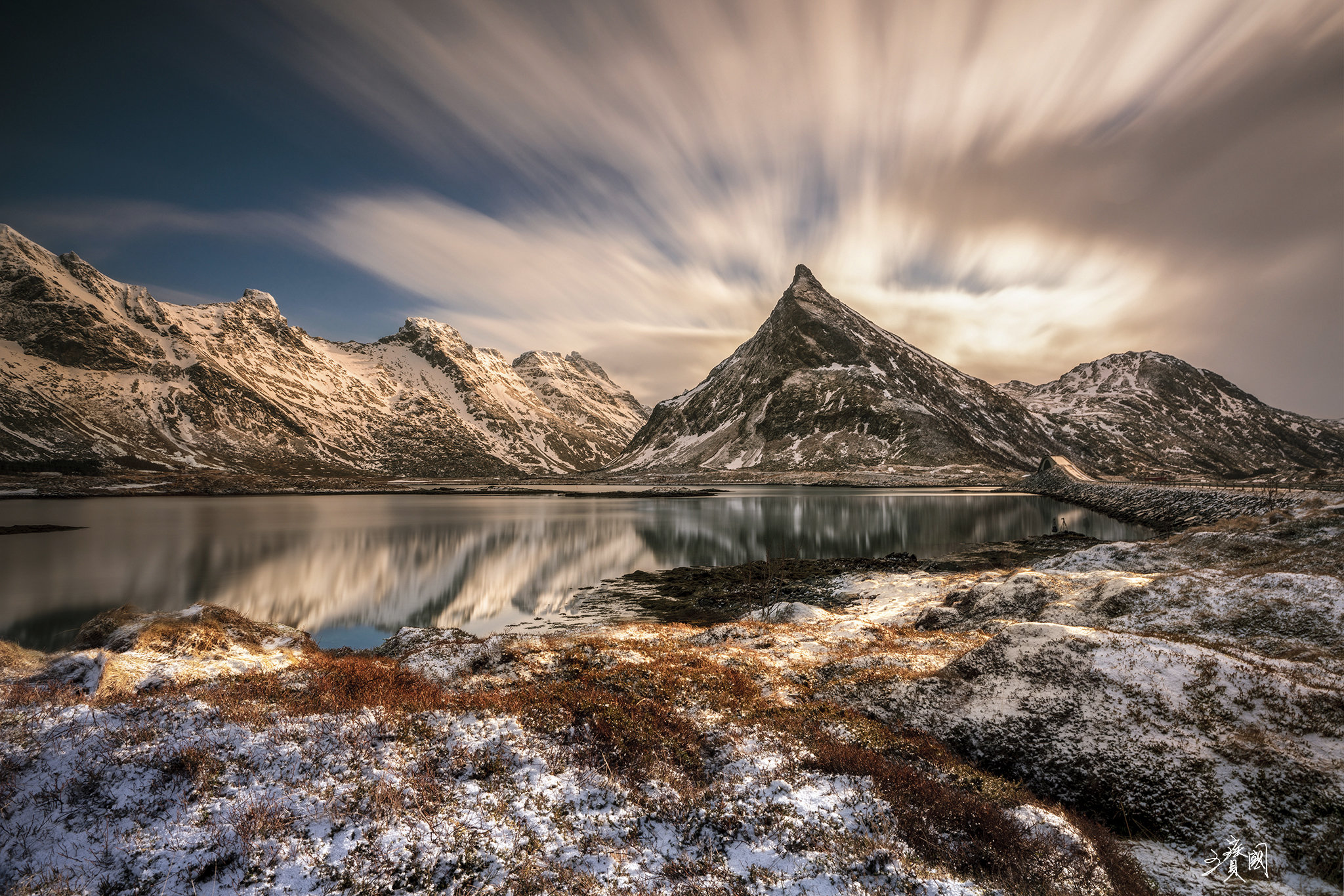
Long exposure photography has long fascinated both amateur and professional photographers alike. This technique lets you capture the passage of time in a single frame, producing surreal images that evoke emotion and movement while revealing aspects of time that remain unseen in real-time. The shutter speed you choose greatly impacts the final image: it can either freeze motion and capture every detail or emphasize movement by blurring details. This is achieved by “dragging the shutter”, or increasing the length of time that the camera’s shutter is open to allow light in. The example below gives you a taste of how powerful long exposure photography can be.
In this article, we’ll explore how long exposure photography transforms your work, examine real-world examples, and discuss how NiSi Neutral Density (or ND for short) filters enable you to capture dramatic motion blur and stunning light trails, all while maintaining true-to-life color accuracy. Whether you’re shooting in broad daylight or at night, mastering long exposure techniques with the right equipment can elevate your creative vision and set your portfolio apart.
The Basics to Capturing a Long Exposure
Capturing captivating long exposures requires minimal equipment. In addition to your camera, a sturdy tripod is essential for stability: hand-holding a long exposure will blur the entire photograph. There’s an interesting alternative technique known as ICM (Intentional Camera Movement), which creatively exploits motion blur, but that’s a topic for another day. Our goal here is to capture sharp photos while only blurring portions of the image through the naturally moving and flowing subjects. While this minimal setup works well for nighttime shots, it can be limiting. To capture striking long exposures during the day, you’ll need a set of ND filters and a remote shutter release for precise timing, especially when photographing dynamic subjects like waves.
When to do a long exposure?
Long exposure is ideal when shooting moving subjects like traffic, clouds, water, or people. For instance, car headlights create light trails, fast-moving clouds turn into wispy streaks in the sky, and pedestrians can blur into ghostly figures or disappear. This technique is perfect for experimenting with and highlighting dynamic motion in your photos. So when should you do a long exposure? Whenever you want to emphasize motion or time, or clean up a busy scene!
As long as you have a moving subject and a creative vision in mind, a long exposure can help you tell that story so feel free to experiment frequently!
Long Exposures at Night
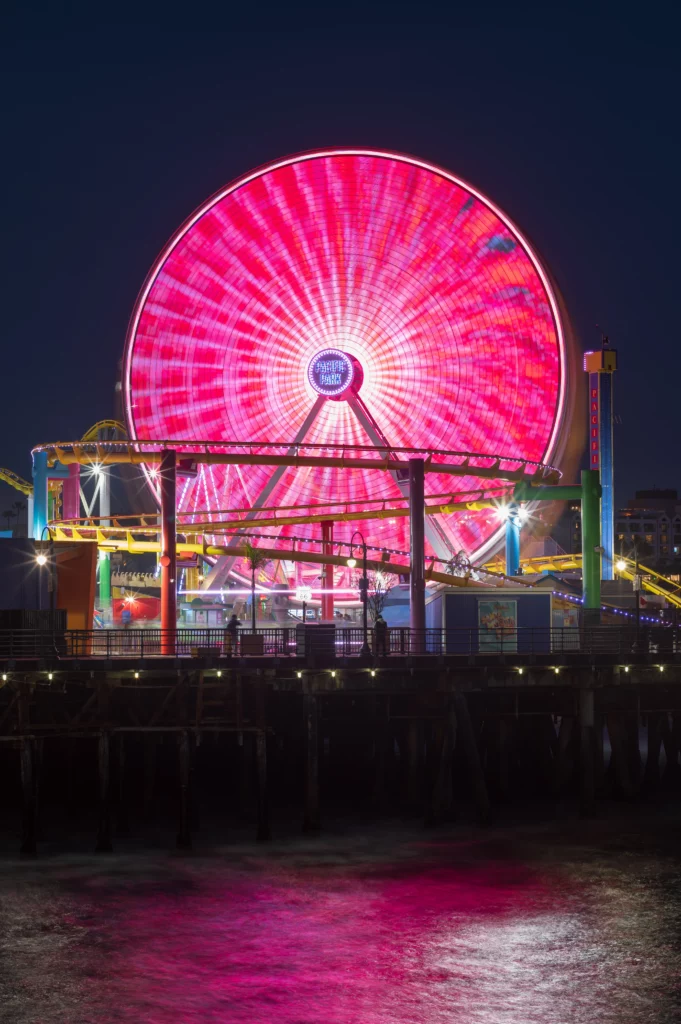

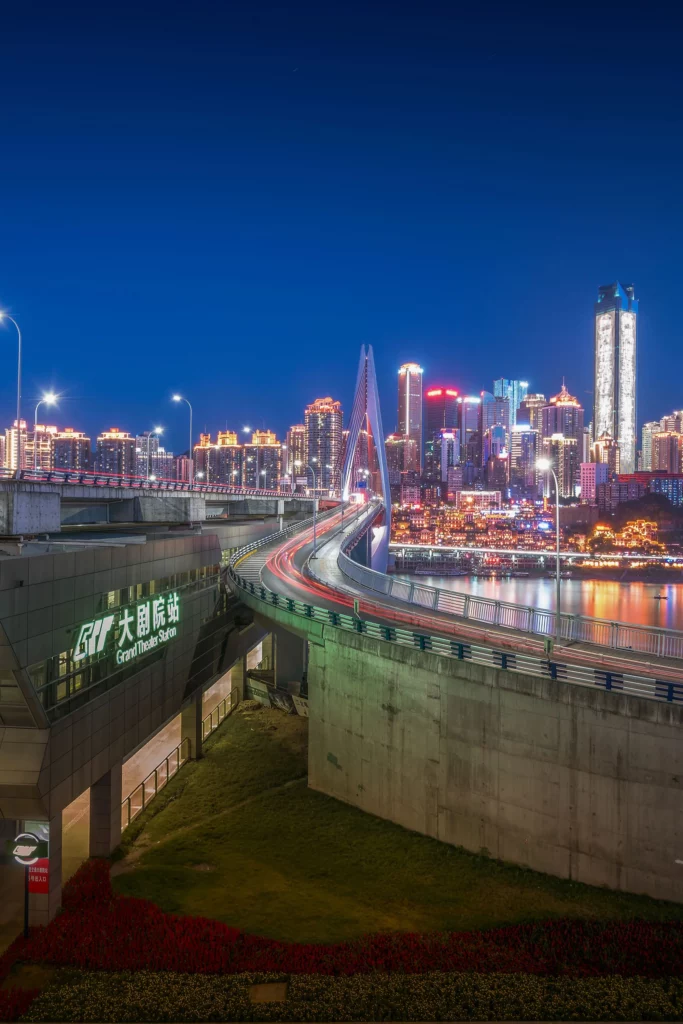
Nighttime long exposures are among the easiest and most convenient settings for capturing dynamic images, as the naturally low light conditions allow you to use extended shutter speeds, typically between 5 and 30 seconds, without the risk of overexposure. This range is perfect for transforming busy urban scenes into mesmerizing displays of light streaks and ghostly figures, whether it’s the flowing traffic or the gentle movement of clouds. Using the NiSi Natural Night Filter further enhances your shots by controlling stray light and preserving natural colors, ensuring that every detail, from dramatic light trails to the subtle hues of the night sky, is rendered with clarity and depth.
Daytime Long Exposures
While nighttime long exposures can be striking, relying solely on them can become repetitive. Daytime long exposures open up a whole new way of seeing the world and expand the creative possibilities for photographers. Capturing long exposures during the day is challenging because the slow shutter speeds required, often over 30 seconds for effects like wispy clouds, result in severe overexposure, even when shooting at your lowest ISO (typically ISO 100) and a small aperture such as f/16. Stopping down further to f/22 might help with exposure, but it introduces light diffraction that softens image details. The solution is ND filters, which effectively reduce the light reaching your camera’s sensor.
By cutting down light by a set number of stops, ND filters allow you to creatively adjust shutter speed and aperture. A stop of light is a unit that represents a doubling or halving of the light entering the camera; for example, an ND filter rated at 3 stops (ND8) reduces the light to one-eighth, enabling longer exposures without overexposure. This controlled light reduction lets you capture dynamic motion while preserving the natural flow of moving elements. A 10-stop ND filter (ND1000) reduces the light to just 1/1024 of its original intensity, enabling you to use much longer shutter speeds without risking overexposure.
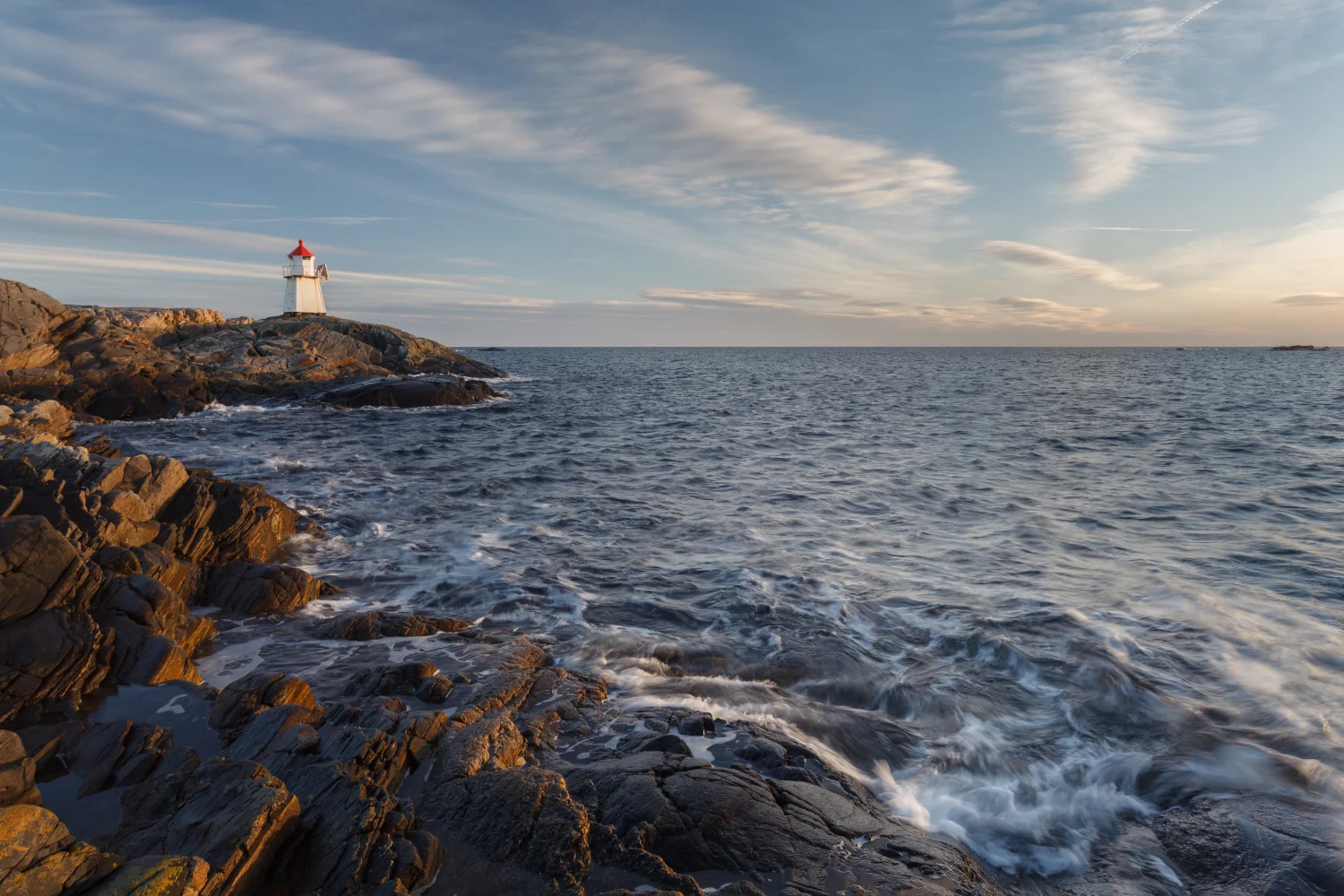
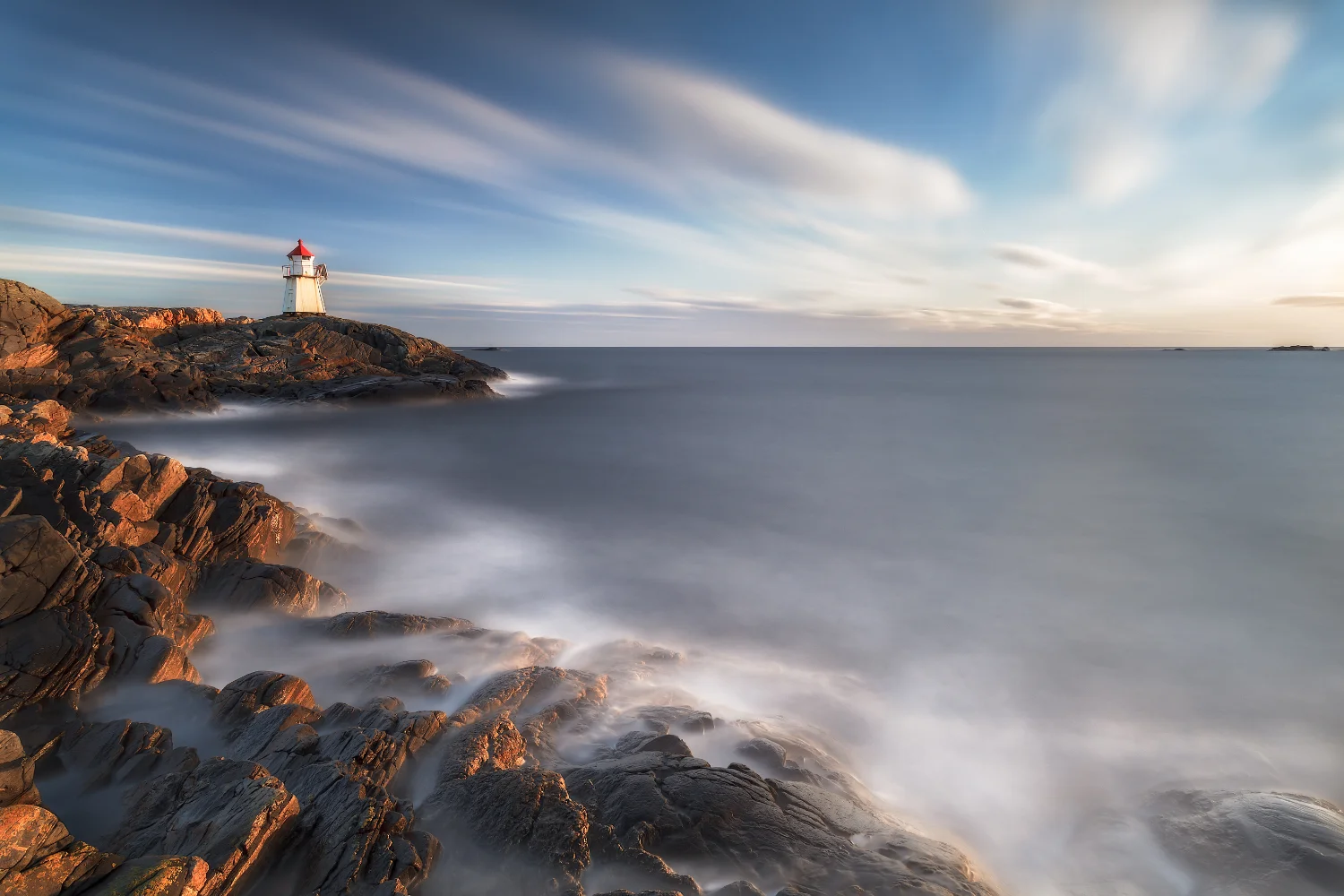
With a variety of ND filter strengths available, photographers gain full control over the light. NiSi offers options ranging from 3 stops to 6, 10, and even 15 stops, empowering creatives to tailor their settings for any lighting condition throughout the day.
In addition to controlling exposure, ND filters play a key role in emphasizing leading lines. When extended exposures smooth out fast-moving clouds, those clouds become soft streaks that draw the viewer’s eye across the sky. In a mountainous region, for example, elongated cloud trails and reflective waters work together to guide attention toward rugged peaks. This technique enhances the overall composition by directing the viewer’s gaze and creating a sense of depth. Whether you’re capturing urban architecture or remote wilderness, pairing long exposure with an ND filter can add both drama and balance to your daytime shots, making them more immersive and visually engaging.
What Strength ND Filter Do I Need?
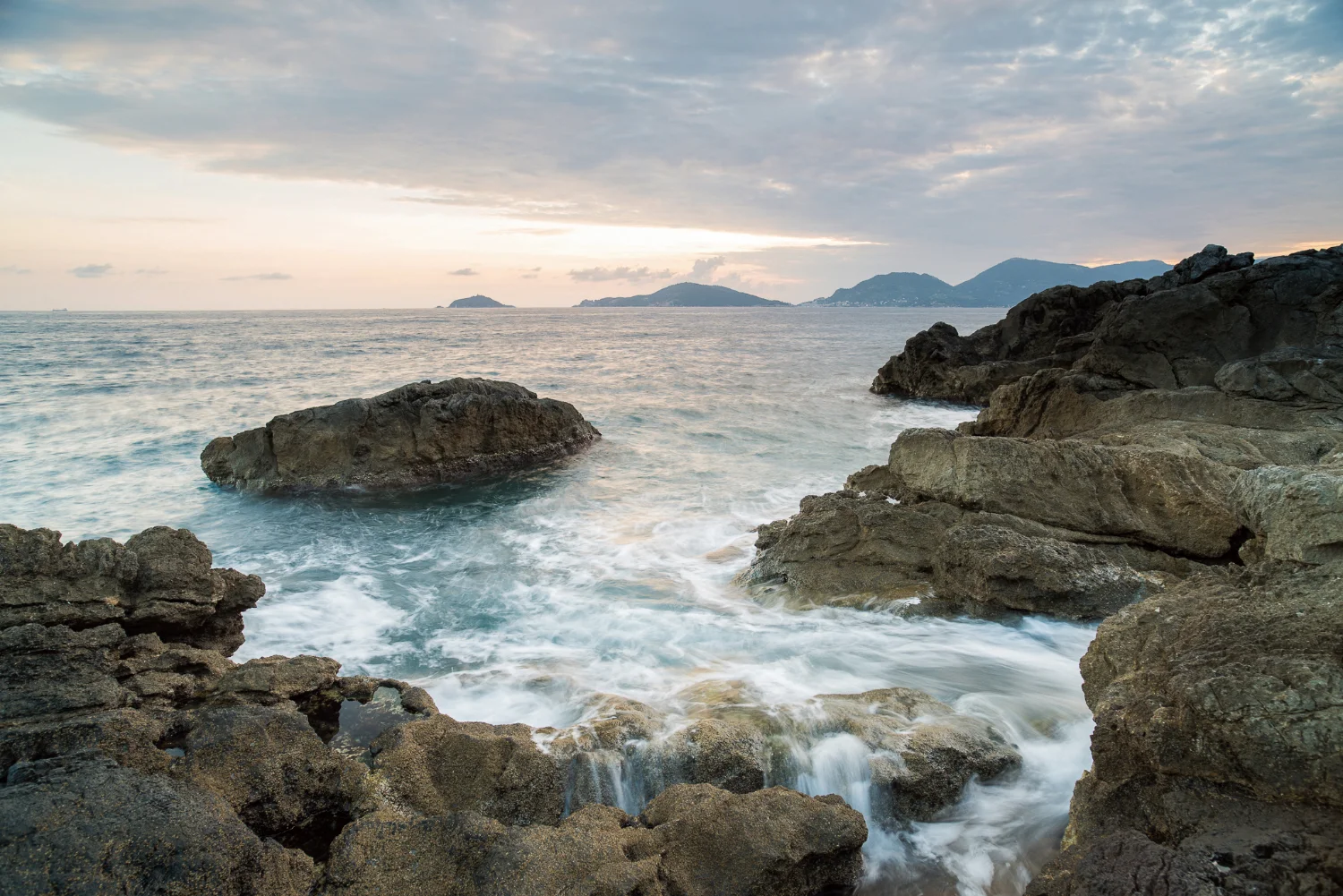
The strength of the filter required is highly dependent on the desired effect and the amount of ambient sunlight there is. The longer the shutter speed and the brighter the conditions, the darker the ND filter. The most common strengths of ND filters are 3, 6 and 10 stops. These allow you to capture a wide variety of images with shorter to longer exposure times. A 3 stop ND filter is often used when photographing the ebb & flow of the waves to create silky strands of water. This allows the photographer to capture enough details in the water to retain its identity as water but also blurs the motion as it recedes back into the ocean to create a beautiful and pleasing effect that looks more natural to the human eye.
Soft Motion Blur with a 3 Stop and 6 Stop
A 3-stop ND filter is perfect when the sun hangs low on the horizon or on a cloudy day, conditions where the light is already subdued, yet not low enough to force shutter speeds between 1/8th of a second and a full second, the ideal range for capturing smooth water motion. In contrast, an ND64 or 6-stop filter excels at the beginning of golden hour or when the sun is still high in the sky. It reduces the brightness just enough to smooth out the water while keeping enough texture to give the scene its character.
TIP:
Pressing the shutter button manually can often introduce unwanted motion blur, as even slight camera movement during slow exposures can translate into the final image. That’s why, when shooting ocean waves, a remote shutter release proves highly beneficial compared to manually pressing the button or relying on the camera’s timer. As water flows gracefully in and out of the frame, precise timing is key: being able to trigger the shutter at the perfect moment not only yields better results but also makes the whole shooting experience more enjoyable and engaging.
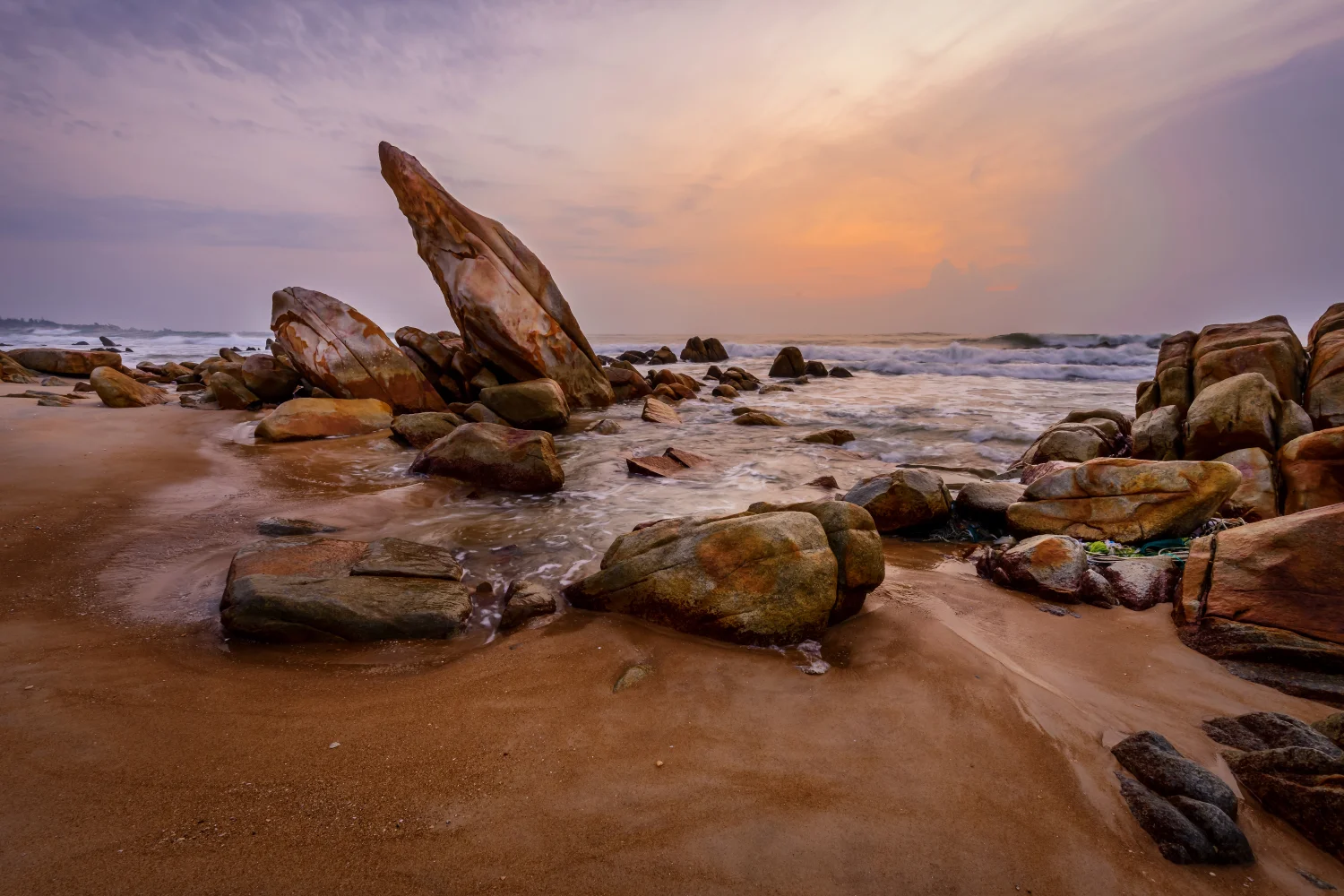
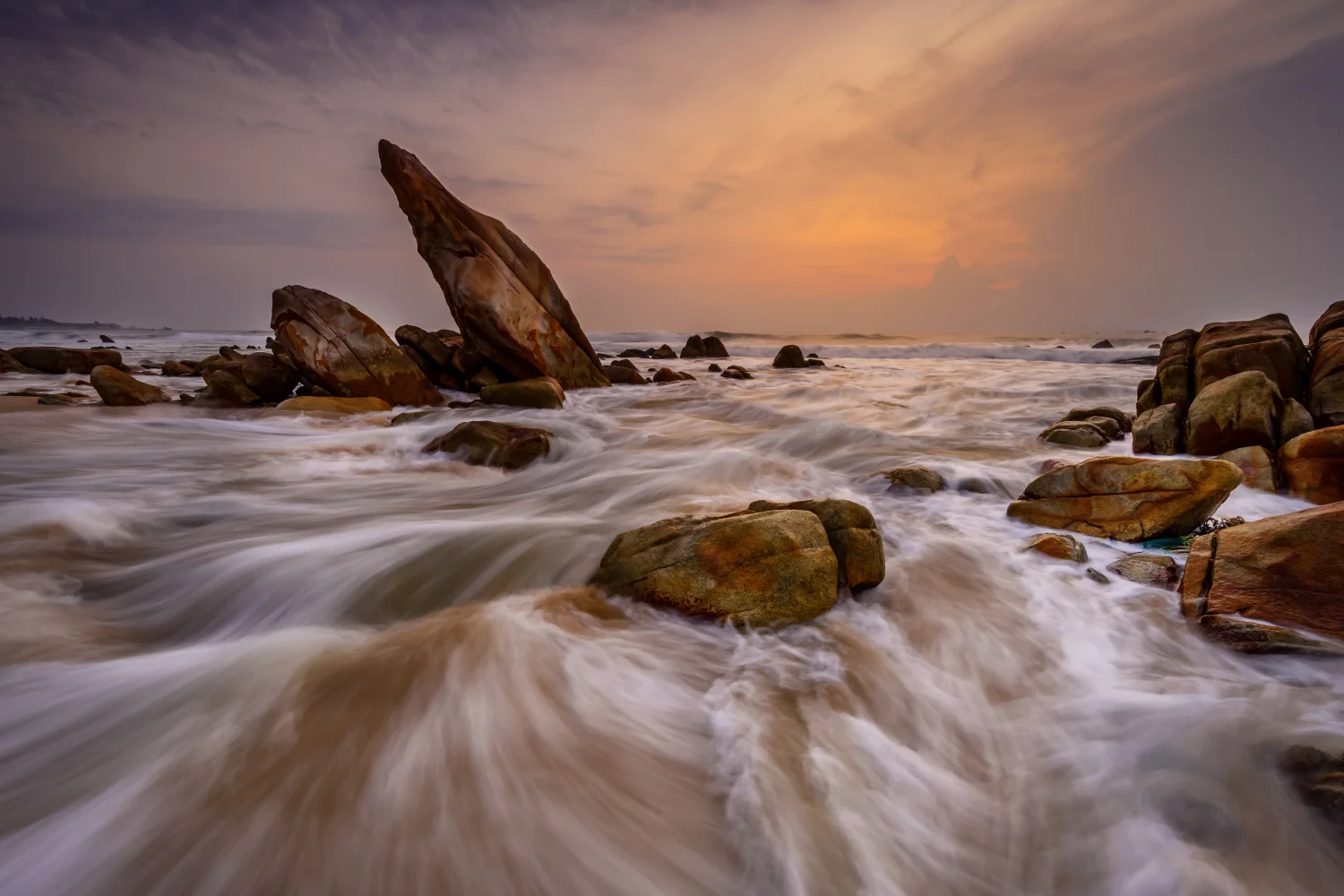
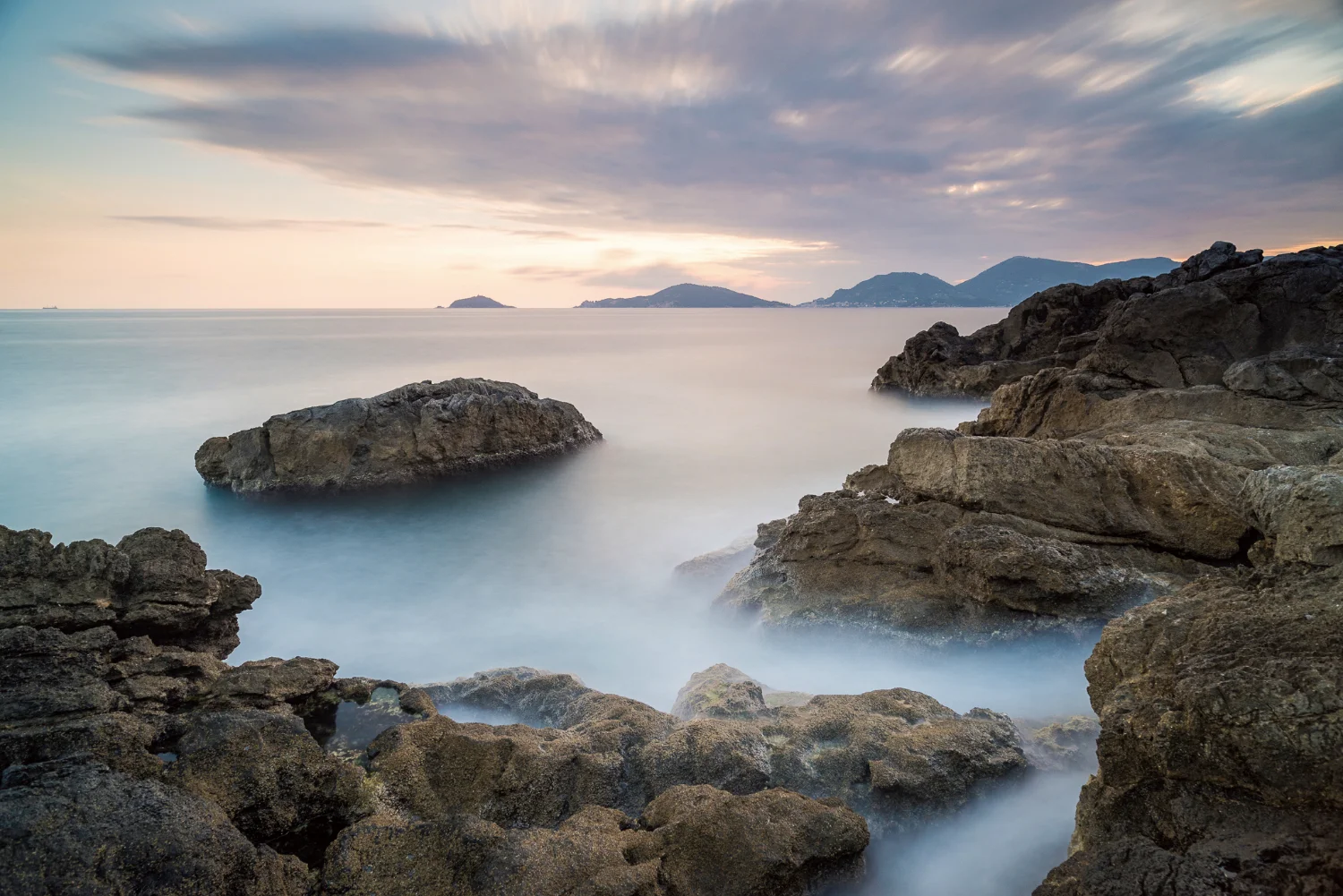
As you extend the shutter speed to 30 seconds or more, the water transforms entirely, turning into a misty blanket that softens the scene. This approach erases much of the surface detail and emphasizes the calm, ethereal qualities of the environment. Rocks, coastlines, and other stationary elements stand out in stark contrast to the gauzy water, creating a dreamlike atmosphere that can evoke a sense of tranquility or mystery.
Achieving these effects often requires a strong ND filter to reduce the amount of light entering the lens, allowing for slower shutter speeds even in bright conditions. Whether you opt for the subtle motion of a one-second exposure or the serene haze of a half-minute shot, controlling the shutter speed is key to sculpting water into a visually striking component of your composition.
Dramatic Long Exposures with a 10 Stop
For truly dramatic long exposures, a 10-stop ND filter is ideal. During golden hour, it transforms your photos by turning water into a soft mist, removing fine details from the waves, and rendering clouds into wispy, elegant strokes across the sky. On a bright, sunny golden hour day, exposure times typically stretch to several seconds; however, on an overcast or cloudy day, they can extend into minutes.
The misty ocean elevates an ordinary scene into a dreamlike moment, infusing the image with drama and a sense of solitude, while the soft clouds form natural leading lines that draw the viewer’s eye to the subject. Combined, these elements create an ethereal portrait of nature, offering a fresh perspective on the everyday which can be seen in the images below.
Why Choose NiSi Filters for Your Long Exposure Needs?
When it comes to professional photography, the equipment you choose can either limit or unlock your creative potential. NiSi filters have earned their reputation as some of the best ND filters on the market, and here’s why:
- True-to-Life Color Accuracy with IR Nano Coating – Many ND filters introduce strong color shifts that require time-consuming corrections in post-production.
- NiSi ND filters feature an infrared (IR) nano coating, which prevents color contamination and ensures neutral, natural tones. This allows photographers to capture stunning long exposures with accurate colors straight out of the camera.
- Ultra-Low Reflectivity – Glare and reflections can ruin long exposure shots, especially when photographing water or bright skies. NiSi filters feature advanced coatings that minimize reflections, keeping details crisp and contrast-rich.
- High-Quality Optical Glass – Some ND filters are made with lower-grade materials that reduce sharpness. NiSi filters use premium optical glass, ensuring that every shot remains razor-sharp, even when using high-resolution cameras.
- Nano Coating for Durability – NiSi ND filters are engineered with scratch-resistant, water-repellent, and anti-oil coatings, making them perfect for outdoor photographers who shoot in challenging environments.
With NiSi ND filters, photographers can push the boundaries of long exposure photography without worrying about color shifts, reflections, or image softness. Whether you’re capturing seascapes, cityscapes, or cloud movement, these filters provide the clarity, reliability, and ease of use needed for professional-quality results.
Final Thoughts: Embrace the Magic of Long Exposure with NiSi Filters
Every great long exposure shot starts with a vision: the mist rolling over a mountainside, city lights painting streaks across the night sky, waves smoothing into a glassy dream. But the difference between capturing that vision perfectly or spending hours fixing color shifts and reflections in post? That comes down to the right gear.
NiSi ND filters are built for photographers who refuse to compromise. With true-to-life color accuracy, ultra-low reflectivity, and premium optical glass, they let you focus on creating, without fighting unwanted tints, glare, or lost sharpness. When you’re out in the field chasing the perfect shot, you shouldn’t have to wonder if your filter is holding you back.
If you’re going to invest time in creating something incredible, do it with the best tools available. Make every moment count and experience the NiSi difference.
Want to Learn More?
📖 Check out our interview with NiSi ambassador Talor Stone
🛍️ Explore the NiSi JetMag Pro Magnetic Filters system
📸 Join the conversation: comment below with your favorite long exposure shots!